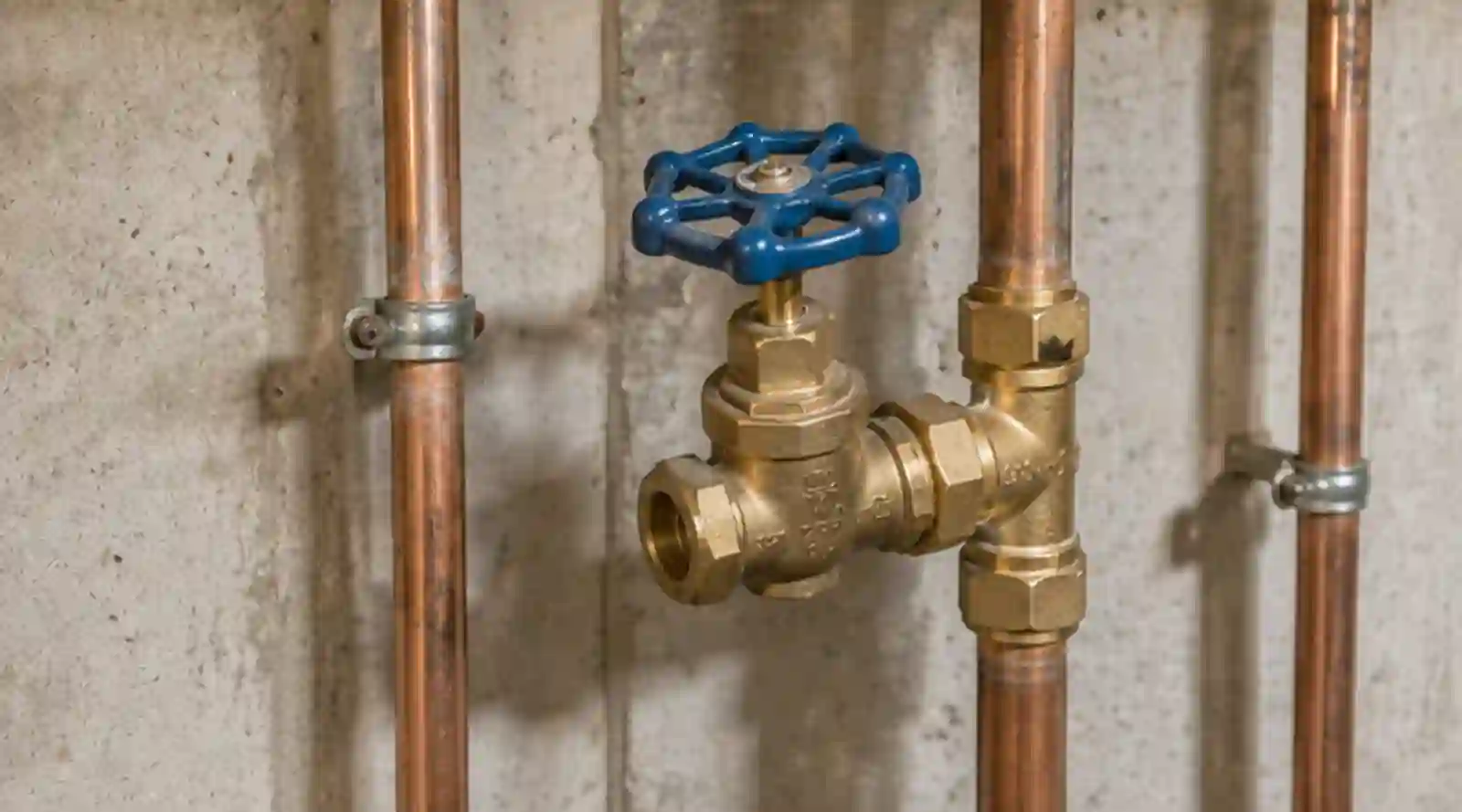
Polybutylene Plumbing in Late-80s Minnetonka Tract Homes
Why gray poly piping in Cherrywood and Sunset Pond builds is a ticking-clock concern.
Why gray poly piping in Cherrywood and Sunset Pond builds is a ticking-clock concern. This guide is written for Minnetonka and Lake Minnetonka west-metro home buyers by Minnetonka Home Inspection.
If you are buying a Minnetonka home built in the late 1980s, especially in the Cherrywood or Sunset Pond neighborhoods, there is a real chance the water supply lines are gray polybutylene. Polybutylene was a popular, inexpensive plastic supply pipe used widely from the late 1970s into the mid-1990s, and it ended up in a great many tract homes across the west metro during that building era. It is one of the few defects we look for specifically by neighborhood and vintage, because the failure pattern is well documented and the consequences are expensive.
Why Gray Poly Fails
Polybutylene degrades from the inside out. Chlorine and other oxidants in municipal water react with the pipe wall, causing it to become brittle and develop micro-fractures over years of normal service. The failures often begin at fittings and crimps, then spread, and the trouble is that the damage is internal and invisible. A line can look perfectly fine and then split without warning. Because the pipe runs inside walls, ceilings, and slabs, a failure frequently surfaces as a leak that has already done damage before anyone sees water.
This is why most insurers treat polybutylene as a known liability and why many buyers choose to budget for full replacement rather than wait for the first leak. The material is not a maintenance item you can patch indefinitely.
How We Identify It
Gray polybutylene is usually a dull gray, sometimes blue or black, flexible plastic, roughly half-inch to one-inch in diameter, and it is often stamped with the code PB2110. We look for it at the water meter, at the entry where the main supply comes in, around the water heater, and at any exposed runs in the basement or mechanical room. We also distinguish it from modern PEX, which is also flexible plastic but is a current, accepted material and not a defect.
Our defect library entry on polybutylene plumbing shows the identifying marks and typical failure points in detail.
What to Do About It
If we find polybutylene, our advice is straightforward: plan for replacement on your own timeline rather than the pipe's. Repiping with PEX or copper removes the risk entirely and resolves the insurance friction. During the inspection period, knowing it is present gives you the information you need to negotiate or to budget realistically.
One related item: homes of this vintage with polybutylene supply lines are also old enough to have aging sewer laterals, so we frequently pair the plumbing review with a sewer scope inspection to give you a complete picture of the water lines coming in and the waste line going out.
Keep reading
Questions buyers actually ask.
Know the house before you own it.
Same-week availability · Photo-mapped digital report in 24 hours · 507-721-2081