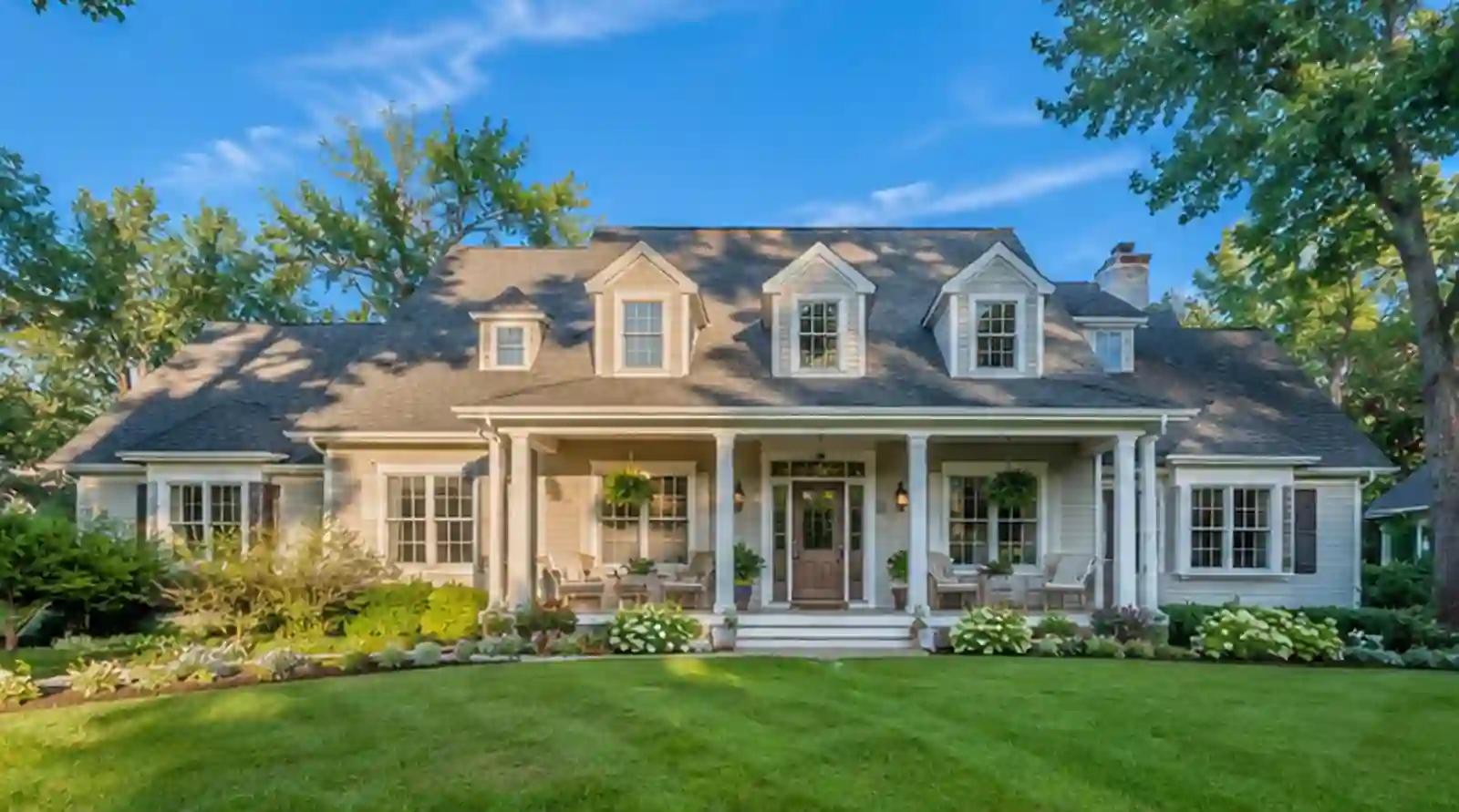
Common problems in 1910s homes
Minnesota homes from the 1910s share the concerns of 1900s homes — original knob-and-tube wiring, galvanized plumbing, masonry foundations, and minimal original insulation — with slightly more standardized construction. The key is how thoroughly the systems have been modernized.
Minnesota homes from the 1910s share the concerns of 1900s homes — original knob-and-tube wiring, galvanized plumbing, masonry foundations, and minimal original insulation — with slightly more standardized construction. The key is how thoroughly the systems have been modernized.
Get your price in under a minute.
No phone tag — build your quote and book your inspection right here. 507-721-2081
Common defects in 1910s homes
Common 1910s defects include settled masonry foundations, original or partially updated wiring, corroded galvanized supply lines, and end-of-life cast-iron drains. Lead paint and asbestos materials are typical of the era.
Typical wiring in 1910s homes
Knob-and-tube was standard; look for surviving runs and improper later splices. Many homes have updated services but retain original branch circuits in walls and attics that need an electrician's evaluation.
Typical plumbing in 1910s homes
Galvanized supply and cast-iron or clay drains dominate. Reduced water flow signals corroded galvanized lines, and clay laterals invite root intrusion — scope the sewer before buying.
Typical insulation in 1910s homes
Original insulation was minimal; added insulation varies widely in quality and may include vermiculite. Air sealing is often poor, which drives ice dams in our climate.
Typical roofing in 1910s homes
Roofs have turned over several times. Evaluate the current covering, the decking, and the flashing on steep early-century rooflines.
Typical foundation concerns in 1910s homes
Brick and stone foundations show mortar deterioration, movement, and water entry. We read crack patterns and below-grade moisture to separate stable settlement from active problems.
Expected maintenance in 1910s homes
Plan for continued modernization and masonry upkeep. Cost drivers are the extent of prior updates and the home's size; an inspection clarifies the sequence of needed work rather than a price.
Inspection recommendations in 1910s homes
Inspect to the era, scope the sewer, test radon, and bring in specialists for knob-and-tube and asbestos. Cross-reference our defect library.
Inspect a 1910s home with us
Every era has its tells. We calibrate each inspection to the home's vintage — home inspection, defect library, and systems.
Browse every decade.
Cross-reference the full housing-stock timeline.
Ready to know the house before you own it?
Build your quote and book in under a minute — no phone tag, no pricing games, just your number.