Minnehaha Creek Floodplain — Which Minnetonka Lots Sit in FEMA Zone AE
What floodplain status means for insurance, financing, and below-grade risk.
What floodplain status means for insurance, financing, and below-grade risk. Written for the Lake Minnetonka west metro by Minnetonka Home Inspection.
Minnehaha Creek runs through Minnetonka on its way from Lake Minnetonka toward the Mississippi, and the lots along its corridor carry a risk that is invisible on a sunny day but very real on a FEMA map. Properties within the mapped floodplain are designated Zone AE, the highest-detail flood zone FEMA assigns, and that designation affects insurance, financing, and how you should think about anything built below grade. If you are buying near the creek, you need to know where the property sits before you remove your contingencies.
Which Lots Sit in Zone AE
Zone AE is the area FEMA has modeled as the one-percent-annual-chance floodplain, the zone that comes with a published base flood elevation. Along Minnehaha Creek, this typically includes the lower, creek-adjacent portions of lots, and it does not follow property lines, so two neighboring homes can have very different exposure. Part of a lot can be in Zone AE while the house itself sits above it, or the reverse. The only reliable way to know is to check the parcel against the current FEMA flood map and the base flood elevation for that location, which we encourage buyers to verify early.
Insurance and Financing Consequences
The Zone AE designation has consequences that reach well beyond the inspection. If the home itself is in the mapped floodplain and you are financing with a federally backed mortgage, your lender will require flood insurance as a condition of the loan. That requirement can shape the entire transaction, and it is not something a buyer wants to discover at the closing table. An elevation certificate is often the document that determines exactly how the home is rated, since it establishes the structure's elevation relative to the base flood elevation.
Even where insurance is not federally mandated, a buyer should understand that a creek-adjacent property carries flood risk that affects resale and long-term ownership. This is information to gather during your due-diligence period, not after.
Below-Grade Risk and What We Check
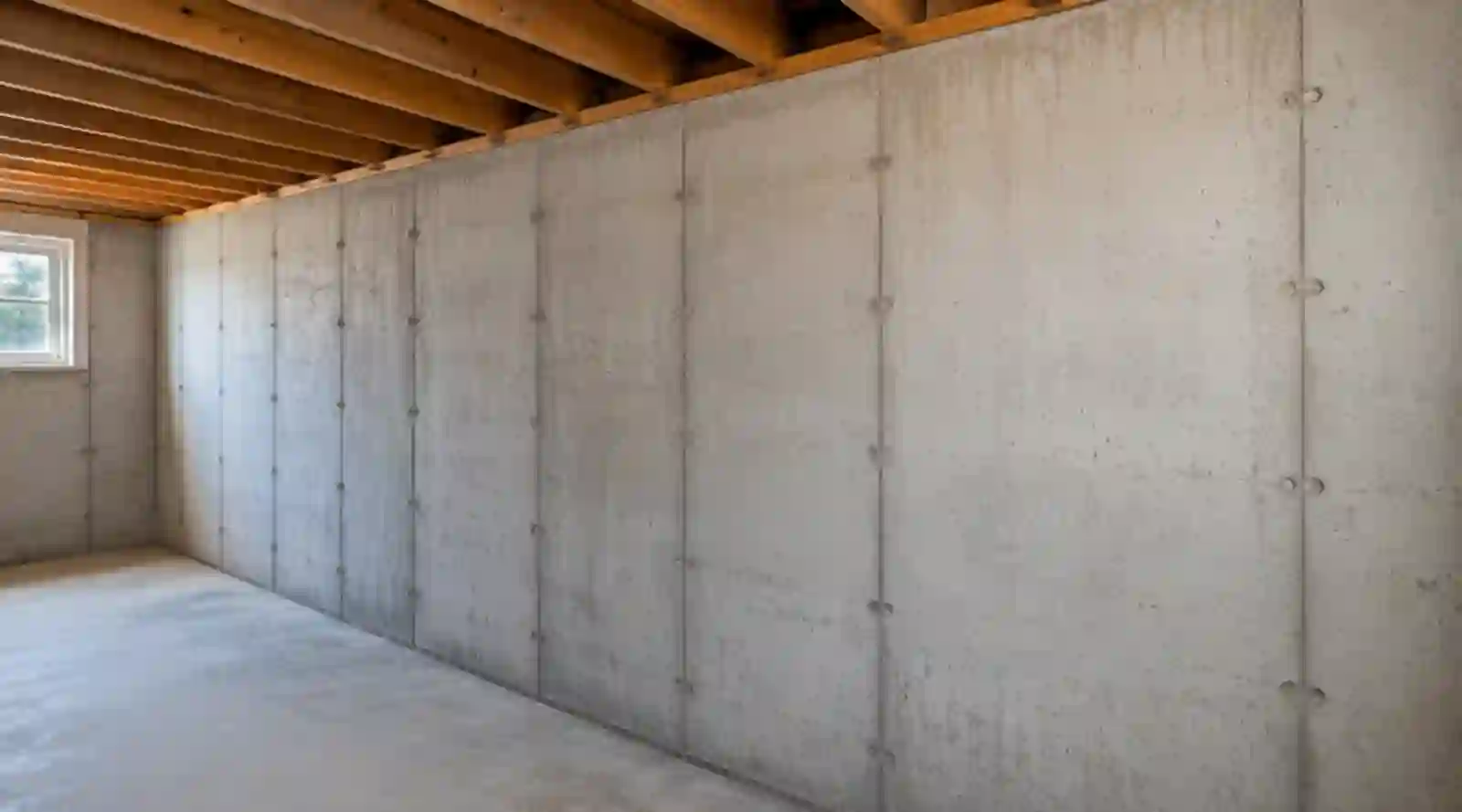
From an inspection standpoint, the floodplain concern is concentrated below grade. A finished basement on a creek-adjacent lot is exactly where flood and high-groundwater problems appear. We look for staining, efflorescence, and patch lines on foundation walls that signal past water intrusion, and we check the sump system, drain tile, and the condition of any below-grade finishes. We examine grading and drainage to see whether the site sheds water away from the home or toward it, and we note any evidence of prior flooding in the lower level.
We are not a substitute for a FEMA determination or an elevation certificate, and we say so directly. What we provide is a careful read of how the structure is actually performing against water, paired with a clear explanation of what the floodplain designation means for you. Our Minnehaha Creek floodplain risk entry goes deeper into how these lots behave and what to verify before closing.
Keep reading
Know the house before you own it.
Same-week availability · Photo-mapped digital report in 24 hours · 507-721-2081